
When combined with counseling, this approach is proven highly effective. Excessive drinking has numerous impacts on your body and mind, ranging from mild to severe. Stress can make rosacea and rhinophyma worse, so finding ways to manage your stress is crucial. Consider incorporating stress-reduction techniques into your daily routine, such as yoga, meditation, or deep breathing exercises. While there’s no cure for rhinophyma, there are steps you can take to manage the symptoms and prevent it from worsening. We’ll delve into what actually causes rhinophyma, the available treatments, and the real psychological impact of living with this visible condition.
The True Underlying Cause: Rosacea Subtype
- While surgery provides permanent changes, it requires careful consideration of risks, such as infection or unsatisfactory outcomes.
- Rhinophyma represents the end stage of this common, chronic inflammatory skin condition in a small subset of patients.
- Oral antibiotics can be used if you have any infected cysts or pustules from acne, rosacea, or sun exposure.
Getting a flushed appearance after drinking is normal, but if you drink too much, your nose will retain its red coloring. This is due to how alcohol affects blood vessels once it’s in the bloodstream. Previously, I mentioned how a drinker’s nose causes a red bumpy appearance. In most cases, the drinker’s nose is red and bumpy, swollen around the cheeks or directly on the nose.
The Truth Behind Drinkers Nose Images and Purple Nose Pictures
Most Canadian provincial health plans cover evaluation and medical treatments, with surgical coverage alcoholic nose more likely when functional problems exist. Support groups provide valuable connections with others who understand the unique challenges of living with visible facial conditions. Professional counselling addresses psychological impacts, while family education creates supportive home environments. The professional impact creates real career problems that go beyond personal discomfort.

The Myth of the “Alcoholic Nose”: Separating Fact from Fiction
Rhinophyma is the medical term for “ alcoholic nose”, or “drinker’s nose.” This is a skin disorder commonly identified by a red, misshapen, bumpy nose. Due to the symptoms of rhinophyma, people often believed this condition was caused by alcoholism. Topical medications like metronidazole or azelaic acid can reduce inflammation, while oral antibiotics may be prescribed for severe cases.
The physical manifestation is the hypertrophy, or enlargement, of the sebaceous glands and the proliferation of surrounding connective tissue. The oil-producing sebaceous glands become visibly enlarged, leading to a pitted, porous, and oily skin texture. This tissue growth results in a thickened, bumpy, and irregular appearance, transforming the nose into a bulbous, lobulated shape. If alcohol abuse is a concern, it’s essential to seek professional help.
Why Do We Call It “Alcoholic Nose” Anyway?
When someone has an alcohol addiction, seeking and using alcohol becomes a priority in their life. Their thoughts may be constantly preoccupied with drinking, and they may plan their days around it. While rosacea can affect anyone, it’s more common among middle-aged women and people with fair skin. Alcohol can trigger flare-ups, so recognizing these signs early will help us to take action. What’s more, alcohol can trigger the overgrowth of a mite called Demodex folliculorum, naturally occurring on our https://ecosoberhouse.com/ skin.
Low-dose doxycycline (40mg daily) has been specifically approved for rosacea treatment and provides anti-inflammatory benefits without antimicrobial effects. This reduces the risk of developing antibiotic resistance while maintaining therapeutic benefits. The primary factor in developing rhinophyma is genetic predisposition to rosacea. This skin condition tends to run in families and affects certain ethnic groups more frequently than others. People of Northern European descent, particularly those with fair skin, light eyes, and Celtic or English ancestry, are at higher risk for developing rosacea and potentially rhinophyma. Once significant tissue overgrowth occurs, medical treatments alone are no longer sufficient to reverse the structural changes, and procedures to physically reshape the nose are required.
There are many arguments regarding how drinking frequently affects rhinophyma. It’s normal for your face to feel flushed after a night of drinking, but a drinker’s nose doesn’t appear the same way. A drinker’s nose is referred to as rhinophyma, a significant symptom of rosacea. An alcoholic nose may be caused by various factors which may or may not occur to everyone. It’s important, however, that these different causes be surveyed to ensure that a proper diagnosis has been done.
One sign of an alcohol nose is an unpleasant odor from the nose that smells like alcohol. At Alamo Behavioral Health, we understand that the cost of rehab often discourages people from seeking help. That’s why our goal is to make rehab accessible through a variety of rehab insurance coverage plans we have on offer. We invite you to learn more about them and let our team help you find the right insurance option for you or your loved one. Calls and contact requests are answered by our admissions team at Help 4 Addiction.
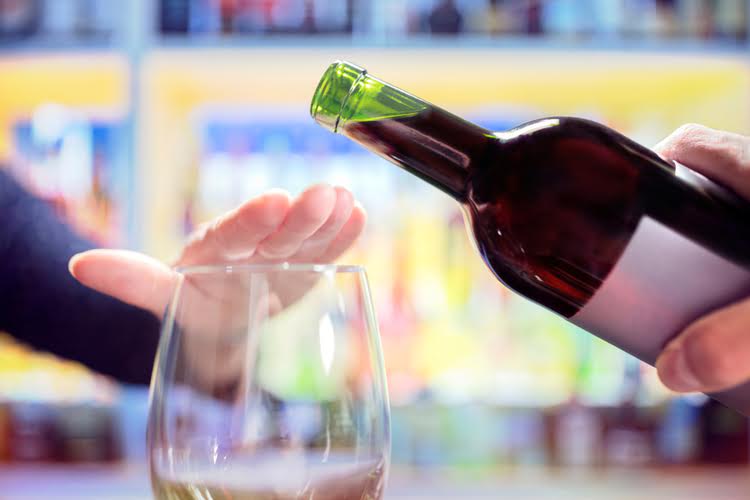
If you’ve heard of or seen “drinker’s nose,” you might be wondering what causes it — and whether alcohol is truly the culprit. If you’re struggling with rhinophyma, you may find it helpful to talk with a therapist, join a support group, or connect with others online. Counseling can help you cope with the emotional challenges of this condition. The condition can lead to low self-esteem, anxiety, and even depression. Because it’s so noticeable, it can make people feel self-conscious and want to stay away from others. Although rhinophyma can occur in people of all ethnicities, it’s most often seen in people of Northern European descent.
Tips for Managing Rhinophyma
While rhinophyma is more common in men over 50, heavy drinking can accelerate its onset in younger individuals. Topical retinoids or oral antibiotics may manage mild cases, but advanced stages often require surgical reduction to restore the nose’s shape. Alcoholic nose, medically called rhinophyma, is a progressive skin disorder that makes the nose develop a red, swollen, and bumpy appearance. The condition comes from severe, untreated rosacea, not from drinking alcohol. Rhinophyma comes from Greek words meaning “nose growth,” which accurately describes how excess tissue gradually builds up over many years.
Chronic alcohol consumption triggers this effect by impairing liver function, which in turn leads to increased blood flow and vessel visibility. Unlike typical rosacea, this redness is persistent and worsens with continued alcohol intake. For those noticing this symptom, reducing alcohol consumption can slow progression, though reversal may require medical intervention such Halfway house as laser therapy to target affected vessels. Chronic alcohol misuse doesn’t just damage internal organs; it can also manifest visibly on the skin, particularly the nose. Rhinophyma, often dubbed “alcoholic nose,” is a severe skin condition characterized by a red, enlarged, and bumpy nose. While not exclusively caused by alcohol, heavy drinking exacerbates the condition by triggering rosacea flare-ups, which lead to progressive skin thickening.
